Is waterfront living in Apollo Beach calling your name? The views and boat access are real, but so are the added costs, care, and rules that come with tidal, brackish water on Tampa Bay. You want the lifestyle without surprises, and that starts with clear numbers, maintenance plans, and permit know-how. In this guide, you’ll learn what to budget, how to care for seawalls and docks, which permits to expect, and the key risks to watch. Let’s dive in.
Apollo Beach waterfront at a glance
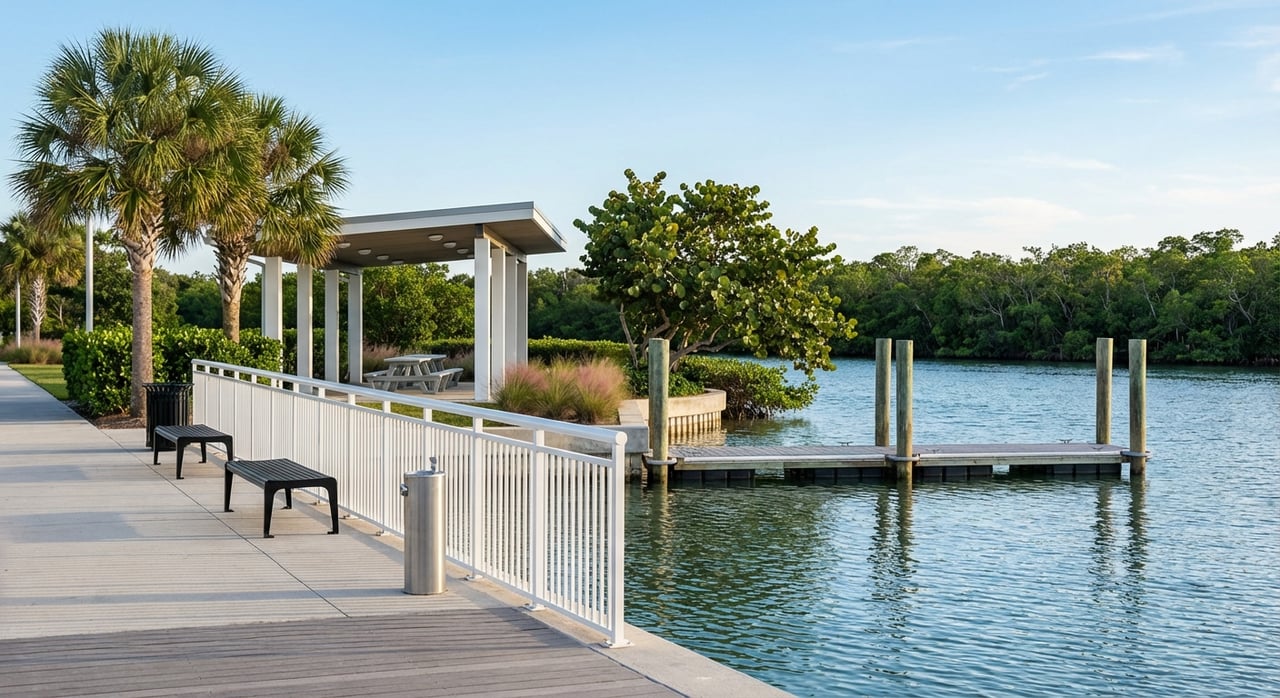
Apollo Beach faces Tampa Bay’s brackish, tidal waters, including canals and inlets. Tides, storm surge, and wind-driven water shape daily life and long-term planning. Canal-front, bayfront, and inlet exposure each bring different wave energy and maintenance needs. Understanding your shoreline type helps you plan for costs and care.
What it really costs to own
Purchase and recurring costs
Waterfront homes generally command a premium over similar non-waterfront properties. Property taxes track assessed value, so higher waterfront values often mean higher tax bills. Many neighborhoods also have HOA or Community Development District fees, and some include shoreline or seawall responsibilities. Review disclosures early so you understand any shared or special assessments.
Insurance in coastal Florida
Expect higher homeowners premiums in coastal areas, with separate deductibles for named storms in some policies. Flood insurance is separate from your homeowners policy, and properties in FEMA-designated Special Flood Hazard Areas typically need flood coverage for federally backed loans. Rates depend on flood zone, elevation, and building features, and private flood policies may be available alongside federal options. Know the difference between wind coverage and flood coverage so you are not surprised at claim time.
Maintenance you should expect
Annual and seasonal tasks
Salt, moisture, and marine growth increase wear on exterior surfaces and systems. Many coastal owners plan a higher maintenance reserve, often in the 1 to 3 percent of home value range for older homes, though needs vary. Schedule annual checkups and after-storm inspections to catch small issues before they grow. Keep records of repairs and permits to support resale and insurance.
Dock and boat lift upkeep
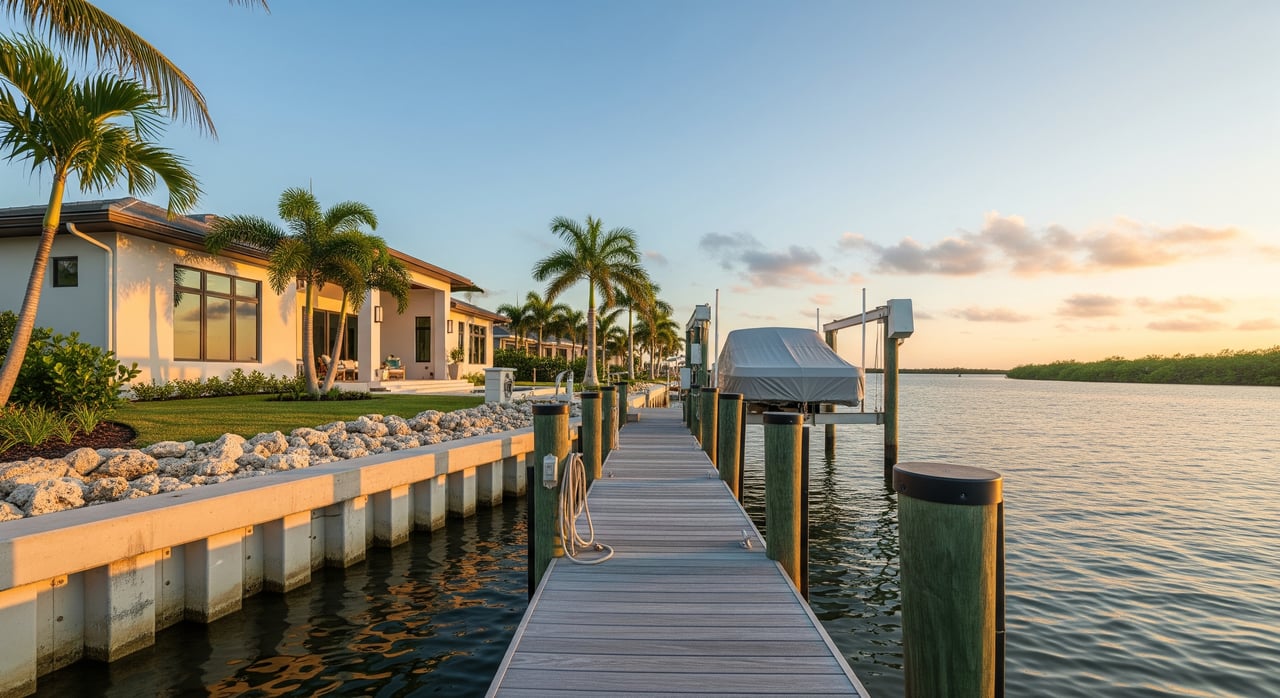
Docks and lifts perform best with steady care. Plan for annual inspections, tightening or replacing fasteners, deck board repairs, and routine lift motor servicing. Use corrosion-resistant hardware and maintain protective coatings to fight salt exposure. Clean marine growth as needed to protect structure and function.
Hurricane season prep
Hurricane season runs June 1 to November 30. Secure boats, lifts, and loose items, and have a clear plan for shutters or window protection. Many waterfront homeowners keep backup power in case of extended outages. Review your coverage and deductibles before storms arrive.
Big-ticket projects and timelines
Seawalls and shoreline
Seawall repair or replacement is a major cost driver. Budgets often range from the low tens of thousands to well over one hundred thousand dollars for long runs, depending on length, materials, and site conditions. Lifespans vary by material and exposure, and even well-built seawalls need periodic maintenance. Annual inspections can delay costly structural failures.
Docks and lifts
Smaller private docks often fall in the low to mid five-figure range, with larger custom designs and lifts increasing costs. Boat lifts alone commonly range from several thousand to tens of thousands based on size and features. Factor in electrical work, materials, and permitting. Plan a replacement reserve so you are ready when components reach end of life.
Dredging
If shoaling limits access, dredging is complex, regulated, and expensive. Projects can trigger multiple permits and potential mitigation. Verify feasibility before you plan improvements or rely on a certain draft. Early expert input can save time and money.
Permits and rules to know
Who regulates what
Expect multiple layers of oversight for in-water and shoreline work. The U.S. Army Corps of Engineers typically handles structures and dredging in navigable waters at the federal level. The Florida Department of Environmental Protection oversees sovereign submerged lands, many coastal construction activities, and mangrove permitting. Regional and local reviews involve the Southwest Florida Water Management District and Hillsborough County planning, building, environmental, and floodplain offices.
Common permit triggers
- New or replacement docks, lifts, or mooring structures
- Seawall construction or replacement
- Dredging of channels or basins, or placing fill in tidal areas
- Mangrove trimming or removal, which is tightly regulated
Environmental protections matter on Tampa Bay. Mangroves, seagrass beds, and shellfish areas are protected, and some projects require timing restrictions to protect manatees and other species. Plan ahead so your project design and schedule align with these rules.
Risk, resale, and financing
Sea level and tidal flooding
Sea-level rise and higher baseline water levels are documented in the region. Review mapping tools and county flood resources when you evaluate long-term risk and timing for major projects. Consider elevation, drainage, and shoreline condition as part of your purchase and improvement plan.
Insurance market dynamics
Florida’s coastal insurance market has been volatile, and lenders want clear evidence of coverage. Private flood options are increasingly common, and mitigation features like elevation, impact windows, and roof straps can help premiums. Keep updated documentation so renewals and lender reviews go smoothly.
What buyers and lenders weigh
Flood zone designation, claims history, and the condition of seawalls and docks affect buyer demand and financing. Clean, recent inspections and permits help buyers and appraisers understand value. Strong maintenance records can protect your resale timeline and price.
Smart due diligence checklist
- Confirm the property’s FEMA flood zone and review elevation data.
- Gather prior permits, inspections, or engineering reports for the seawall and dock.
- Hire a local, licensed marine contractor or coastal engineer for a current condition review.
- Review HOA or CDD documents for seawall responsibilities and any planned assessments.
- Compare homeowners and flood insurance options with a Florida coastal specialist.
- If navigation depth matters, ask early about dredging feasibility and permit pathways.
Local help when you need it
Buying or selling waterfront in Apollo Beach rewards careful planning. You get the lifestyle you want when you budget for insurance, set a realistic maintenance reserve, and map out permits before you commit. If you want a second set of eyes on flood zones, seawall condition, HOA responsibilities, and local contractor referrals, reach out for tailored guidance.
Ready to talk through a specific property or get a clear plan for your sale? Connect with Ernest Howell III for local, one-on-one advice and a practical next step.
FAQs
Do I need flood insurance for Apollo Beach waterfront?
- If your mortgage is through a federally regulated lender and the home is in a FEMA Special Flood Hazard Area, flood insurance is typically required. It is still recommended for most waterfront homes even outside those zones.
How often do seawalls and docks need work?
- Plan for small annual repairs, moderate work every 5 to 15 years, and full replacement anywhere from 20 to 50 years depending on materials, exposure, and maintenance.
What permits are needed to build or replace a dock or seawall?
- Expect permits involving the U.S. Army Corps of Engineers, Florida DEP, and Hillsborough County for most in-water work, with exact requirements based on scope and location.
Can I trim or remove mangroves on my property?
- Trimming is regulated and limited, and full removal usually requires permits and mitigation. Check rules and timing windows before any work starts.
How should I budget for Apollo Beach waterfront ownership?
- Plan for higher insurance, a larger annual maintenance reserve, and periodic capital projects like seawalls and docks. Get quotes from local contractors and insurance specialists early.