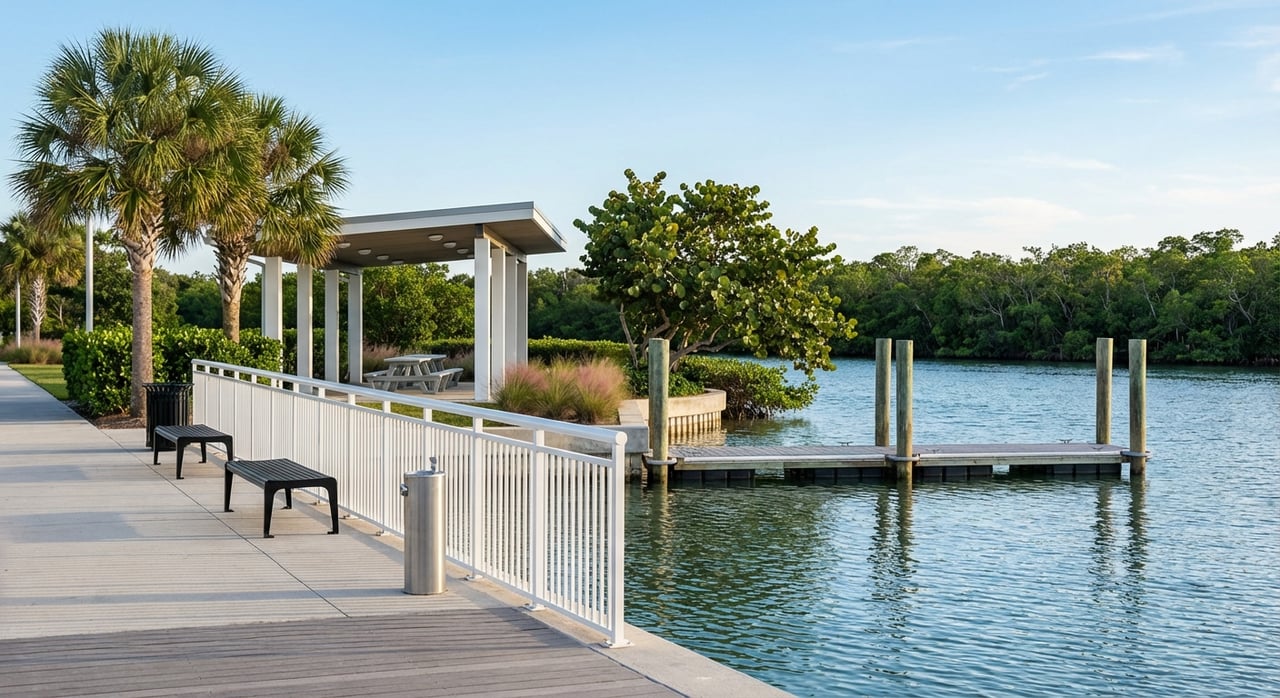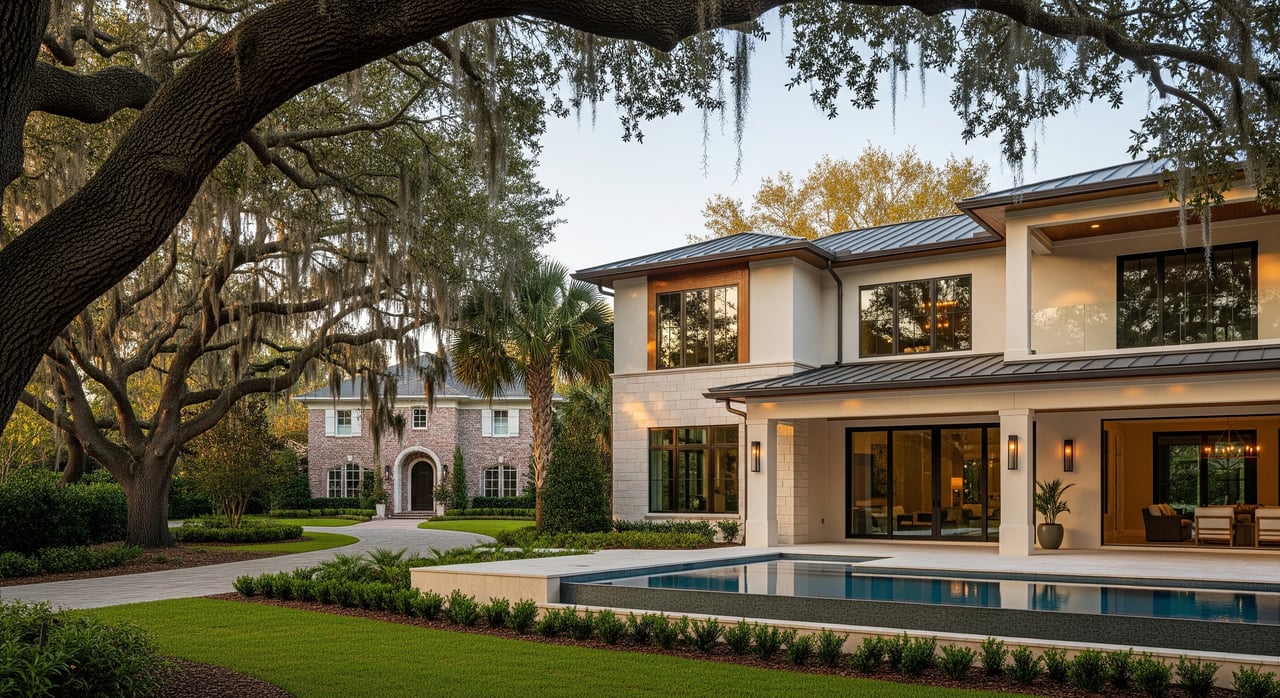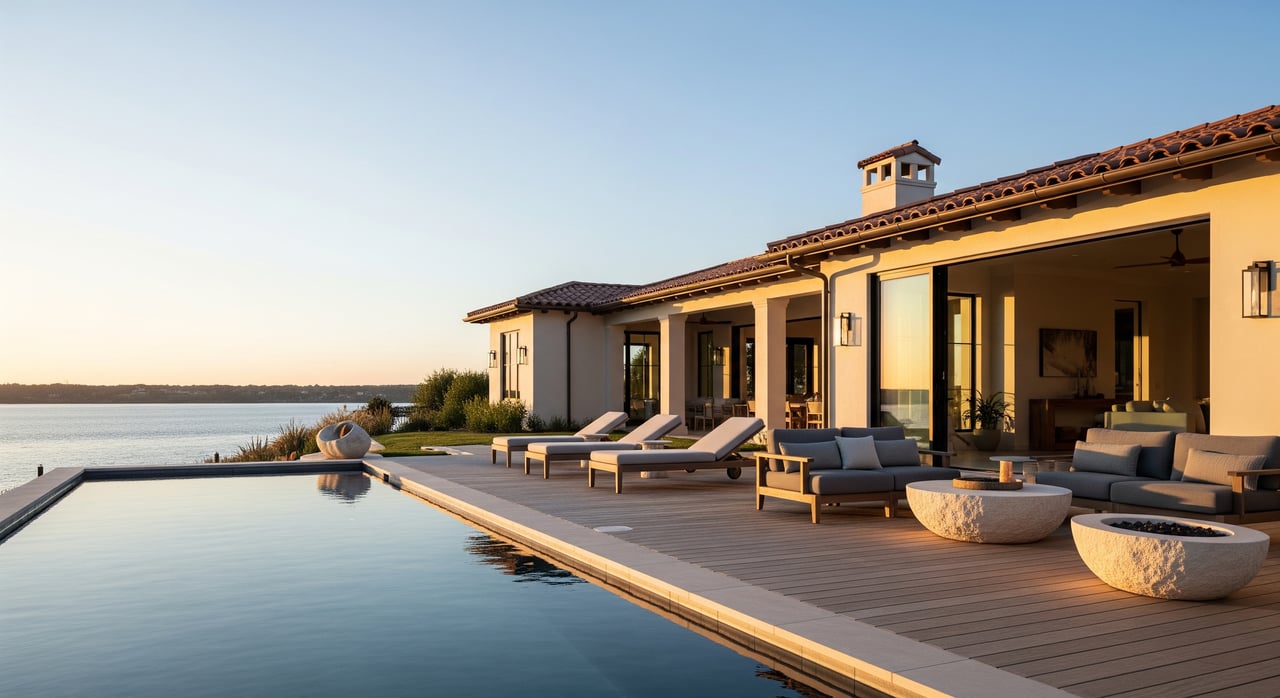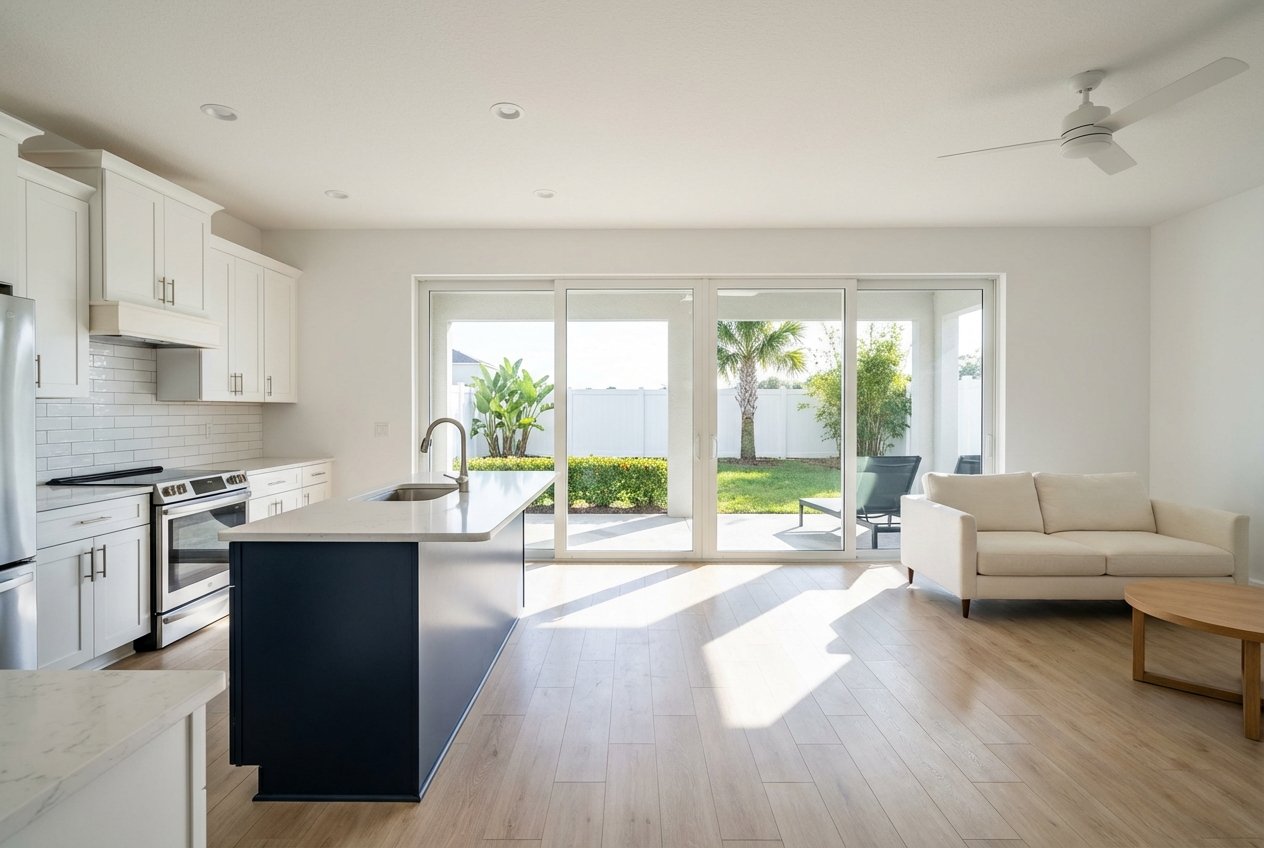
You can have the Apollo Beach lifestyle without paying canal-front prices. If you want community perks, parks, and near-water fun while keeping your budget in check, a non-waterfront home can be a smart move. In this guide, you’ll learn what you can expect to pay, what home types are common, how HOA and CDD fees really work, and which nearby amenities add value. You’ll also get a simple checklist to compare options with confidence. Let’s dive in.
Why buy non-waterfront here
Non-waterfront homes in Apollo Beach let you enjoy a coastal lifestyle at a lower total carrying cost. You avoid seawall repairs and many waterfront insurance expenses, yet you can still live close to preserves, marinas, and community clubhouses. Public market trackers often show a broad range for Apollo Beach values, with typical non-waterfront options spanning entry-level condos and townhomes up through larger inland single-family homes. The exact numbers move month to month, but the value story stays the same. You get access to water-focused amenities and family attractions without the canal premium.
What you can afford
Use these practical price bands as a starting point. Inventory shifts, so confirm specifics when you shop.
- Entry-level condos, villas, townhomes: roughly $200,000 to $350,000.
- Typical non-waterfront single-family: roughly $340,000 to $550,000.
- Larger non-waterfront or newer builds: roughly $550,000 to $800,000 and up, depending on size and finishes. Waterfront homes usually sit above this band.
These ranges reflect common patterns across inland master-planned neighborhoods and older subdivisions. Your final budget should combine price plus HOA dues, CDD assessments, taxes, and insurance so you see the true carrying cost.
Common home types and plans
You’ll find a wide mix of options in Apollo Beach, especially inside master-planned communities with robust amenities.
- Townhomes and villas: Often 1,000 to 1,900 square feet with 2 to 3 bedrooms. They trade big yards for lower overall maintenance.
- Modest single-family: Common 3-bed, 2-bath homes around 1,400 to 2,300 square feet. These are popular with budget-minded families who want a yard.
- Upsize single-family: 2,400 to 3,500+ square feet with 3 to 5 bedrooms. These can be inland yet still close to trails, pools, and clubhouses.
Communities such as Waterset advertise a full range of product types, including one-floor and two-floor single-family homes plus townhomes and villas. To get a feel for the mix and amenities, explore the Waterset community page.
HOA vs. CDD costs explained
Understanding HOA and CDD fees is essential in Apollo Beach, because many newer neighborhoods have both.
How HOAs work
A homeowners association manages community rules and many shared features like landscaping, gates, or a clubhouse. Dues can be monthly, quarterly, or annual. They vary widely by community. For example, an Andalucia listing showed an HOA of $995 quarterly, while some Waterset product lines have listed much lower annual dues around $121. The difference usually reflects security, amenity scope, and private maintenance. Always review the current HOA budget and rules for accurate numbers.
What a CDD is
A Community Development District is a special-purpose local government that finances, builds, and maintains community infrastructure. CDD assessments are separate from HOA dues and usually appear on your county property tax bill as a non-ad valorem line item. You can read the Florida legal framework in Chapter 190 of the Florida Statutes.
Real numbers to expect
CDD assessments vary by community and lot type. As a concrete example, the Waterset North CDD’s adopted FY 2024/2025 assessment schedule shows estimated annual totals by product type. A few representative figures:
- Townhome: about $1,196 per year.
- Single-family 50-foot lot: about $2,209 per year.
- Single-family 60-foot lot: about $2,651 per year.
- Single-family 70-foot lot: about $3,093 per year.
- Single-family 80-foot lot: about $3,535 per year.
These amounts combine operations and maintenance with debt service and are published by the district. You can view the official Waterset North CDD assessment chart to see the full schedule and confirm how the assessment appears on your Hillsborough County tax bill.
For scale, Harbor Bay CDD, which oversees many shared facilities in MiraBay, publishes districtwide financials that show large annual totals for assessments, long-term debt, and O&M. That context helps you understand how major amenities get financed and maintained. You can review the district’s financial documents and assessment schedules.
Sample monthly math
Here is a quick example just to show how HOA and CDD affect a non-waterfront home’s carrying cost. Imagine a single-family home on a 50-foot lot in Waterset.
- CDD assessment: roughly $2,209 per year, or about $184 per month.
- HOA dues: roughly $121 per year in some product lines, or about $10 per month.
In this example, community charges would be about $194 per month combined. This excludes your mortgage, taxes, utilities, and insurance. Flood insurance can vary, even inland, based on your property’s elevation and FEMA flood zone. Get an estimate from your insurance agent before you make an offer.
Near-water amenities that add value
Even if your lot is dry, proximity to parks and water-focused attractions drives demand and quality of life.
- Tampa Electric Manatee Viewing Center: Open seasonally Nov 1 to April 15, this family favorite offers boardwalks, exhibits, and a 50-foot observation tower. It is a unique local perk that many buyers love. Learn more on the Manatee Viewing Center page.
- Apollo Beach Nature Preserve: A 63-acre county preserve with a wheelchair-accessible observation tower, shoreline fishing, nature trails, and a small sandy area with posted swimming rules. See details on the Apollo Beach Preserve page.
- Apollo Beach Park & Recreation Center: A community hub with a skate park, dog park, tennis courts, playground, splash pad, and programs. Explore county info for outdoor recreation and tennis.
These amenities help narrow the lifestyle gap between waterfront and non-waterfront living. In master-planned communities, clubhouses, pools, trails, and playgrounds can raise HOA expectations and costs, but they also boost buyer demand for inland homes, which supports long-term resale.
Where to start your search
- Waterset: A large, amenity-rich master plan with single-family homes, villas, and townhomes. Non-waterfront buyers often prioritize the trails, pools, and social spaces.
- MiraBay: A higher-price-point community with many waterfront and canal-adjacent homes. If you want near-water life without a canal lot, compare inland options and factor in both HOA and CDD.
- 55+ and value-focused pockets: Active-adult neighborhoods and inland subdivisions can offer more budget-friendly choices while keeping you close to Apollo Beach attractions.
A local search strategy should compare like-for-like homes across these areas while adding HOA and CDD into the math. That gives you a true apples-to-apples view of total cost.
Smart buyer checklist
Use this checklist with your agent to evaluate specific homes and avoid surprises.
- Confirm CDD status and cost: Ask whether the home sits in a CDD and pull the current adopted assessment schedule. As an example, review the Waterset North CDD assessment chart to see how costs are structured.
- Review HOA covenants and budget: Verify dues, payment frequency, and what services are included. Compare a guard-gated community’s dues to a non-gated neighborhood so you understand the tradeoffs.
- Check flood zone and insurance: Even non-waterfront homes can sit in FEMA flood zones. Ask your insurer for a quote early in your search.
- Ask about capital projects: Request a list of current or planned projects and any potential special assessments. District sites, like Harbor Bay CDD, publish financials and project information.
- Compare recent sold comps: Look at similar non-waterfront homes within the same community and nearby. Then compare to waterfront sales to understand the premium you are avoiding.
- Evaluate daily life: Consider commute routes, nearby grocery and health services, and how close you are to parks and preserves. Non-waterfront homes in amenity-rich areas often deliver strong day-to-day value.
- Explore boat access options: If boating matters, ask about community slips, public ramps, or marina memberships. Some gated communities offer on-site or nearby facilities you can research with the HOA or management.
Working with a local guide
Buying in Apollo Beach is about more than the list price. The smartest approach is to add HOA, CDD, taxes, and insurance into one clear monthly view, then weigh that against your lifestyle priorities like trails, pools, and quick access to the preserve or Manatee Center. If you want help comparing options community by community, reach out for a no-pressure consult.
Have questions or want a tailored search set up for you? Connect with Ernest Howell III to schedule a consultation and start touring the best non-waterfront fits for your budget.
FAQs
What are typical non-waterfront prices in Apollo Beach?
- Entry condos, villas, and townhomes often range from about $200,000 to $350,000. Typical inland single-family homes commonly run $340,000 to $550,000, with larger non-waterfront homes from $550,000 to $800,000 and up.
How do CDD fees show up on my bill in Hillsborough County?
- CDD assessments usually appear on your county property tax bill as a non-ad valorem line. Communities publish adopted schedules, like the Waterset North CDD assessment chart.
What is the difference between an HOA and a CDD in Florida?
- The HOA is a private association that enforces covenants and maintains certain amenities. A CDD is a special-purpose local government that finances and maintains community infrastructure, described in Florida Statute Chapter 190.
Are non-waterfront homes still in flood zones?
- Sometimes. Flood zones depend on your specific lot and elevation. Ask your agent to pull the flood zone and get an insurance quote before you write an offer.
What near-water amenities can I enjoy without a canal lot?
- Popular options include the Manatee Viewing Center, the Apollo Beach Nature Preserve, and the county’s park and recreation programs. Many master-planned communities add pools, trails, and clubhouses too.
How can I estimate my total monthly cost for a non-waterfront home?
- Add mortgage, taxes, HOA, CDD, insurance, and utilities. For example, a Waterset single-family 50-foot lot might carry about $184 per month for CDD plus around $10 per month for HOA, before mortgage, taxes, and insurance.